10 Things I Wish I Knew Before Moving to the Western Suburbs of Chicago
Lifestyle
Lifestyle
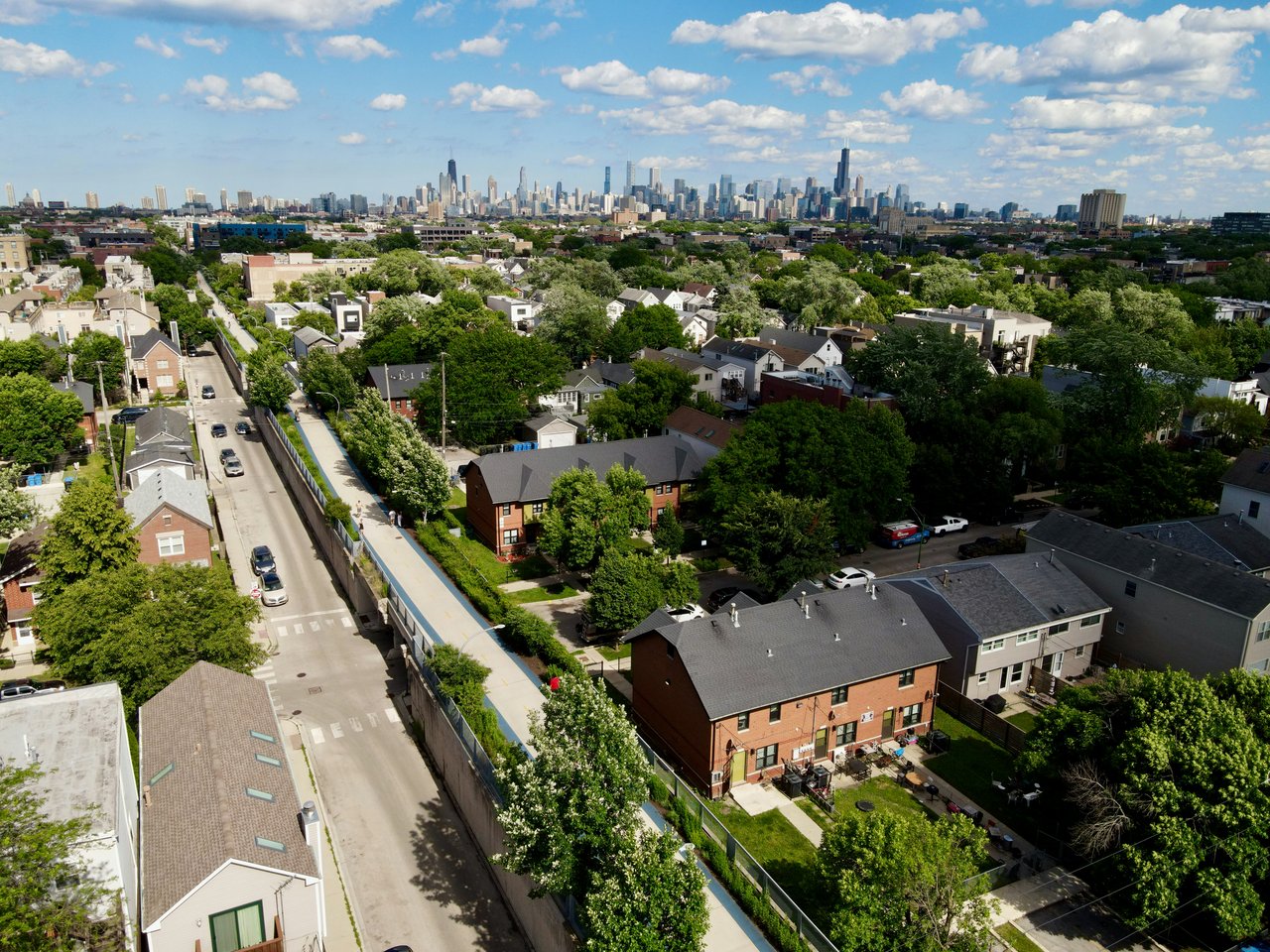
Moving to the western suburbs of Chicago can feel like the best of both worlds. You get more space, charming downtowns, excellent restaurants, community events, parks, and plenty of access to the city—without necessarily giving up that neighborhood feel.
But if you're considering a move to the western suburbs, there are a few things you may want to know before you start packing boxes. From unpredictable Midwest weather to competitive real estate and the very different personalities of each suburb, life out here has its own rhythm.
Here are 10 things I wish I knew before moving to the western suburbs of Chicago.
Chicago's reputation for brutal winters can overshadow the fact that summer can be just as intense.
July and August can bring stretches of hot, humid weather, and the humidity can make a 90-degree day feel considerably warmer. Air conditioning isn't just a luxury—you're going to appreciate it.
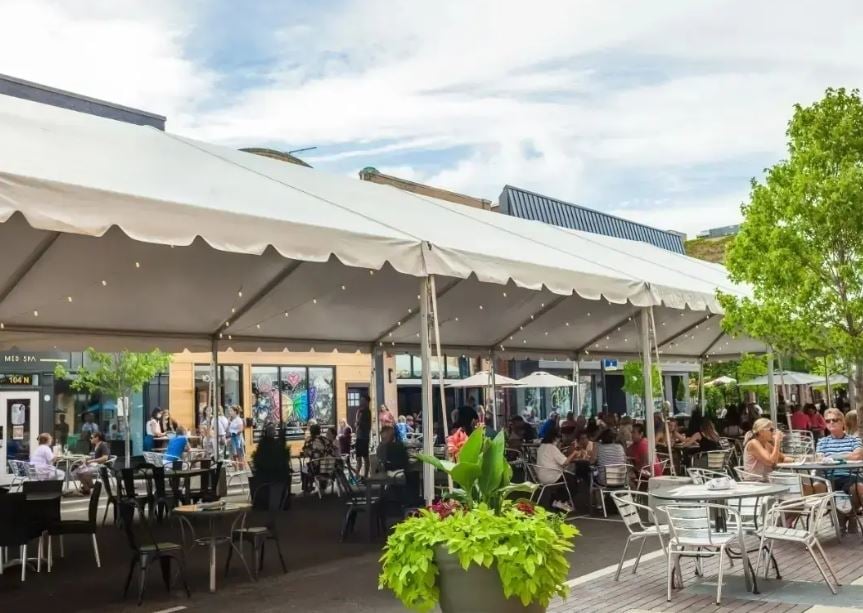
The good news? Summer is also one of the best times to live in the western suburbs. Patios are packed, parks are busy, people are out walking, and there's always something happening.
You'll quickly learn to embrace the heat because there's a good chance you'll want to spend as much time outside as possible.
If you're moving from somewhere with mild winters, prepare yourself.
Western suburban winters can mean freezing temperatures, snow, ice, wind, and the occasional stretch where it feels like spring is never going to arrive. You'll learn to check the weather before leaving the house, keep an emergency scraper in your car, and appreciate a sunny 35-degree day like it's a gift.
But winter is also part of the experience. Downtowns light up for the holidays, local businesses host seasonal events, and snowy days can make the suburbs surprisingly beautiful.
The key is simple: invest in a good coat, don't underestimate the wind, and learn how to drive in snow.
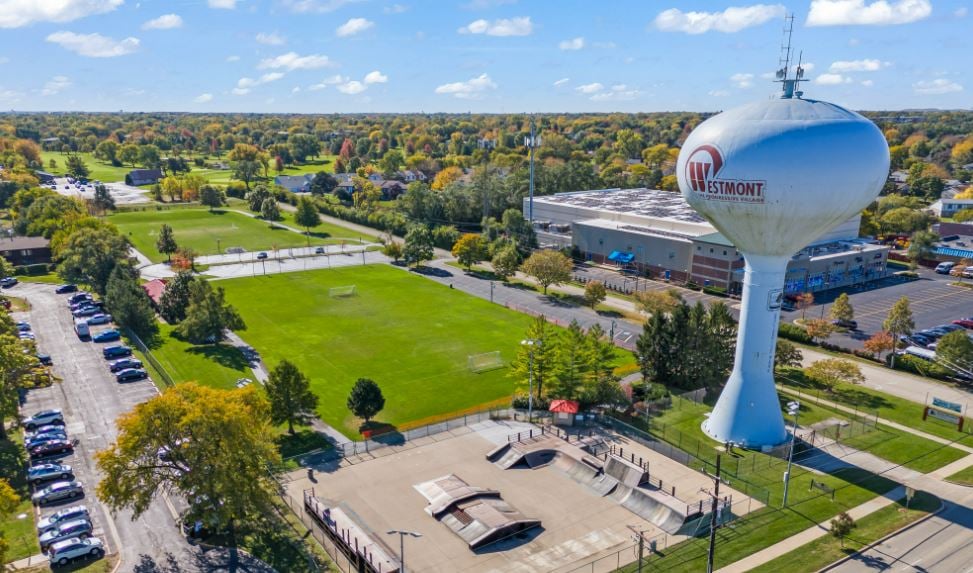
One of the biggest surprises for newcomers is how different the suburbs can feel from one another.
Naperville has a bustling downtown and a strong mix of shopping, dining, entertainment, and community activity. Wheaton has a charming, historic feel and a strong sense of community. Glen Ellyn feels established and walkable, while Downers Grove has its own energetic downtown and convenient commuter culture.
Then you have places like Geneva, St. Charles, Batavia, West Chicago, Lombard, Elmhurst, and others, each with their own character.
Two suburbs may only be 10 or 15 minutes apart, but the experience of living in each can be completely different.
That's why it's worth spending some time in a suburb before deciding to move there. Grab coffee. Walk around downtown. Visit a park. Drive through the neighborhoods. You'll get a much better sense of the community than you will from a real estate listing.
If you like community events, summer in the western suburbs is hard to beat.
Once the weather warms up, it seems like every town has something going on. You'll find festivals, outdoor concerts, farmers markets, craft fairs, food events, parades, and community celebrations throughout the summer.
And these aren't necessarily events you have to travel into Chicago to enjoy. Some of the best parts of suburban life happen right in your own backyard.
Eventually, you'll start planning your summer around which festivals you want to attend—and wondering how you somehow ended up with three different events scheduled for the same Saturday.
One thing that can catch newcomers off guard is just how competitive the western suburban housing market can be.
Popular neighborhoods, desirable school districts, proximity to downtowns, and homes in move-in-ready condition can attract plenty of interest. When the right house comes on the market, it may not sit around for long.
And that means it's important to know what you're looking for before you start shopping.
It also helps to keep an open mind. You may have your heart set on one particular suburb, only to discover that a neighboring community offers a similar lifestyle, more house for your budget, or a downtown that you like even more.
"Suburban" doesn't automatically mean you have to drive everywhere.
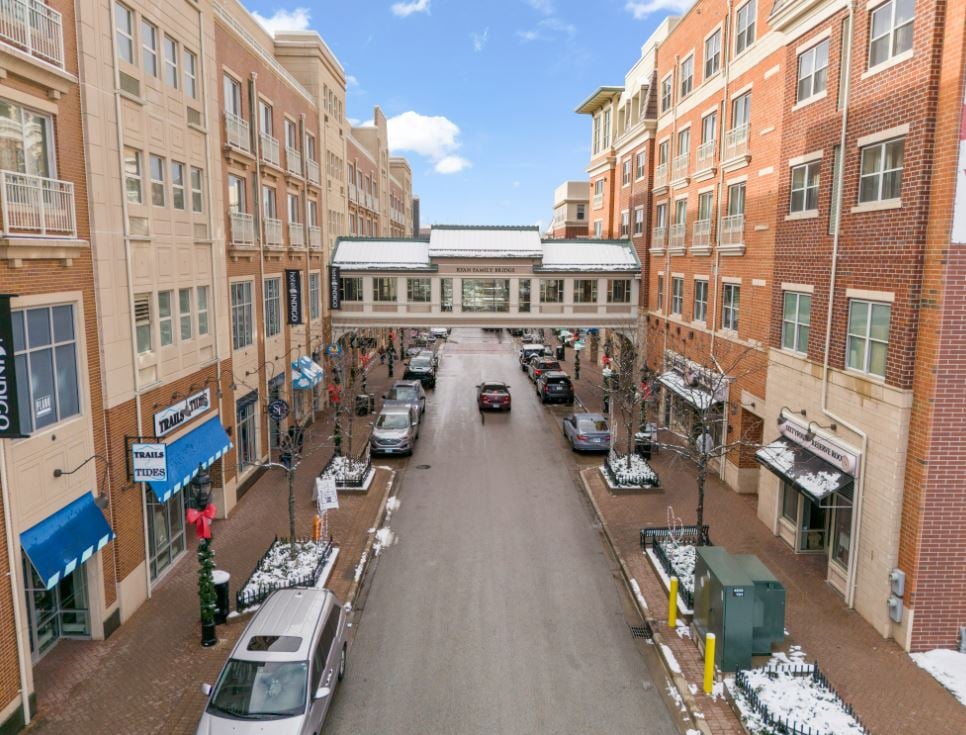
Many western suburbs have charming, walkable downtown areas filled with restaurants, coffee shops, boutiques, parks, breweries, and local businesses. If you live close enough to downtown, you may be able to walk out your front door and spend an afternoon without getting in the car.
But there's an important distinction: living in a walkable suburb isn't necessarily the same as living in a walkable neighborhood.
A suburb can have a fantastic downtown while some residential areas are still very car-dependent.
If walkability matters to you, pay attention to the specific neighborhood—not just the name of the suburb.
Another thing you'll notice quickly is the variety of homes.
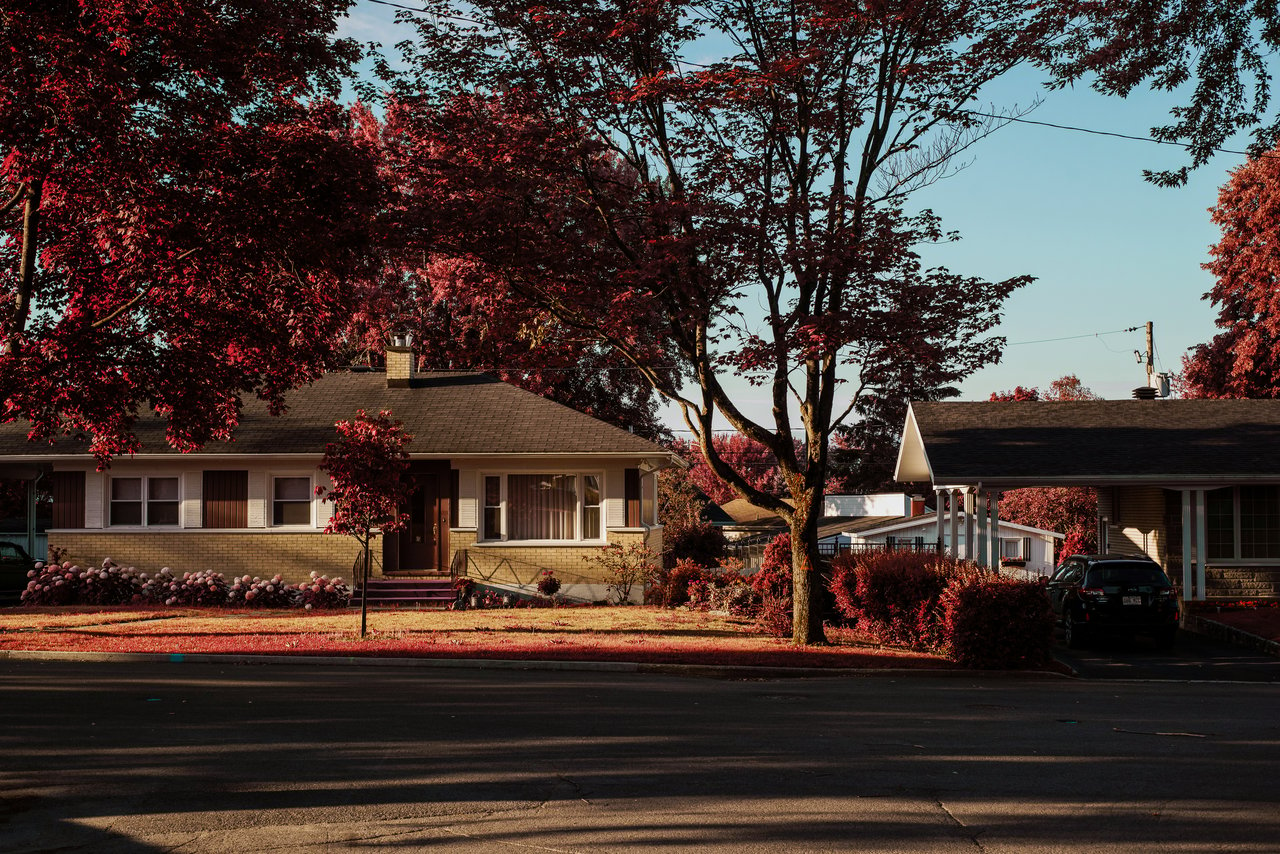
Depending on where you look, you can find everything from historic Victorians and charming bungalows to mid-century homes, traditional two-story houses, newer construction, townhomes, condos, and large custom homes.
Older suburbs closer to Chicago tend to have more established neighborhoods and historic housing stock, while farther-out communities may offer newer developments and larger homes.
Even within the same suburb, housing styles can vary dramatically from one neighborhood to the next.
If you're a house-hunting newcomer, don't assume you know what a suburb looks like based on one open house. Explore a few neighborhoods—you might be surprised by what you find.
If you're commuting into Chicago, proximity to the Metra can make a huge difference in your quality of life.
Living within walking or biking distance of a station can make commuting feel much easier, especially if you're able to avoid a daily drive and parking downtown.
But even if you don't commute every day, having a train station nearby can be a major perk. It's nice knowing that a trip into the city for dinner, a Cubs game, a concert, or a day out doesn't necessarily require finding a parking garage.
When you're comparing homes, don't just look at the house. Look at the commute, too.
One of the best things about western suburban life is the local-business culture.
Once you've lived somewhere for a while, you start developing your places: the coffee shop where they know your order, the restaurant you always recommend to friends, the park you visit on Sunday mornings, and the local store you somehow didn't know existed when you first moved in.
That's part of what makes the suburbs feel like communities rather than just collections of houses.
And because so many towns have active downtown districts, there's usually plenty to explore close to home.
Perhaps the biggest misconception about moving to the western suburbs is that you're choosing between suburban life and Chicago.
You really don't have to.
For many residents, the appeal is having both. You can enjoy a quieter neighborhood, more space, local restaurants, parks, festivals, and community events during the week—and still hop on the train or drive into the city when you want the energy of Chicago.
The western suburbs offer their own lifestyle rather than simply being an extension of the city.
And that's ultimately what makes them so appealing.
The biggest thing to know before moving to the western suburbs is that there isn't one universal "western suburban" experience.
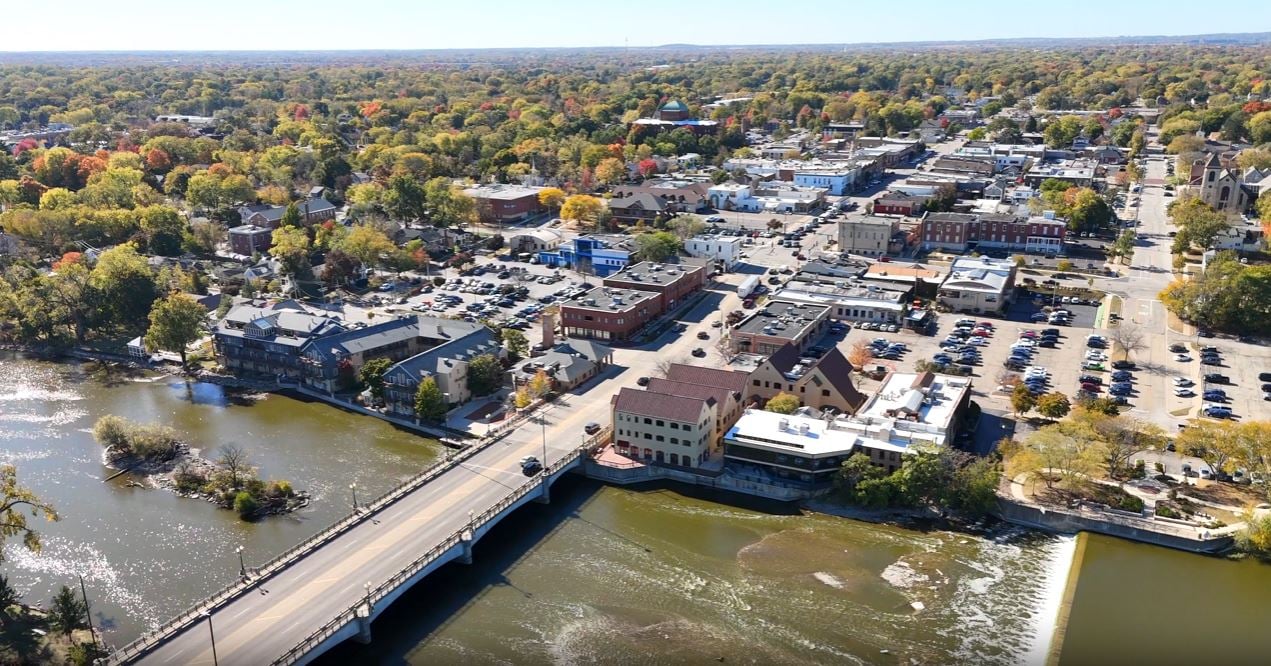
Your lifestyle can look completely different depending on whether you're in a historic neighborhood near a downtown, a newer subdivision farther from the train, a bustling commuter suburb, or a quieter community along the Fox River.
So before you choose a house, take some time to choose a community.
Visit on a Saturday morning. Come back on a summer evening. Check out the downtown. Walk the neighborhoods. Try a local restaurant. See how long the commute really takes.
You might start the search thinking you know exactly where you want to live—and end up falling in love with a suburb you hadn't even considered.


Lifestyle

Lifestyle
Lifestyle
Lifestyle
Housing Market
Welcome to The Thornton Team Residential, your premier real estate experts in Wheaton, Glen Ellyn, and Chicago Suburbs. As a top 1.5% producing team, we understand that a home is more than a property, it's about community. Led by Michael Thornton, a top-tier member of NAR with a proven track record, we are dedicated to making your real estate journey seamless. Join us in finding not just a house but a place full of awesome memories that you call home.